
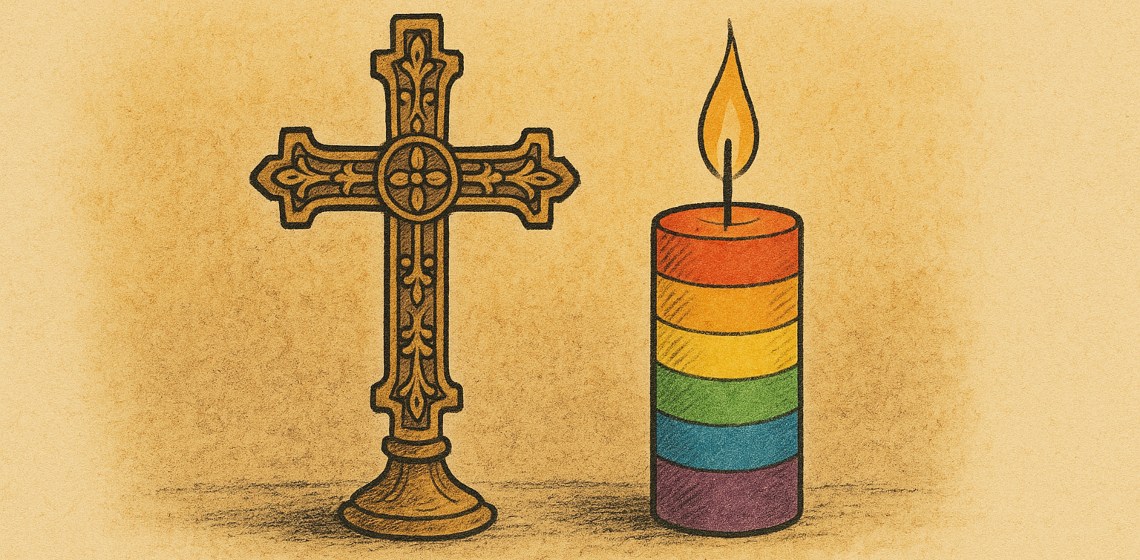
Easter is one of the most important holidays in Christian tradition – a symbol of resurrection, redemption, and new beginnings. But what does all this mean for those believers who have been excluded, rejected, or stigmatized by the institutions of their faith because of their identity or orientation? For religious members of the LGBTQ+ community, the message of Easter may carry a unique weight – it embodies both the potential for healing and the pain of past wounds.
For a long time, the history of Christian churches has been characterized by the rejection of LGBTQ+ people. Same-sex relationships and diverse gender identities – anything that deviates from traditional gender roles – have been labeled as sin. (Whether this is a thing of the past or still present depends on the community, denomination, country, and political system.)
Faith itself has been used as a tool to instill guilt, enforce exclusion, and render LGBTQ+ people invisible. For many, religion brought not comfort but shame and a sense of not belonging. Despite the promise of unconditional love, churches often sent the message: not everyone is worthy of it.
For someone raised in a religious family, the church community is often their first and most important support network. It offers a sense of security and belonging. When they realize that their orientation or identity differs from the norms upheld there, that community suddenly becomes rejecting. They are forced to confront not only themselves but also a world that once promised unconditional love but now condemns their very existence as sinful.
This experience can cause deep inner conflict: how can someone love themselves when their first experience of community taught them they are the sin? How can someone find their place in faith when they’ve been taught that their mere existence distances them from God?
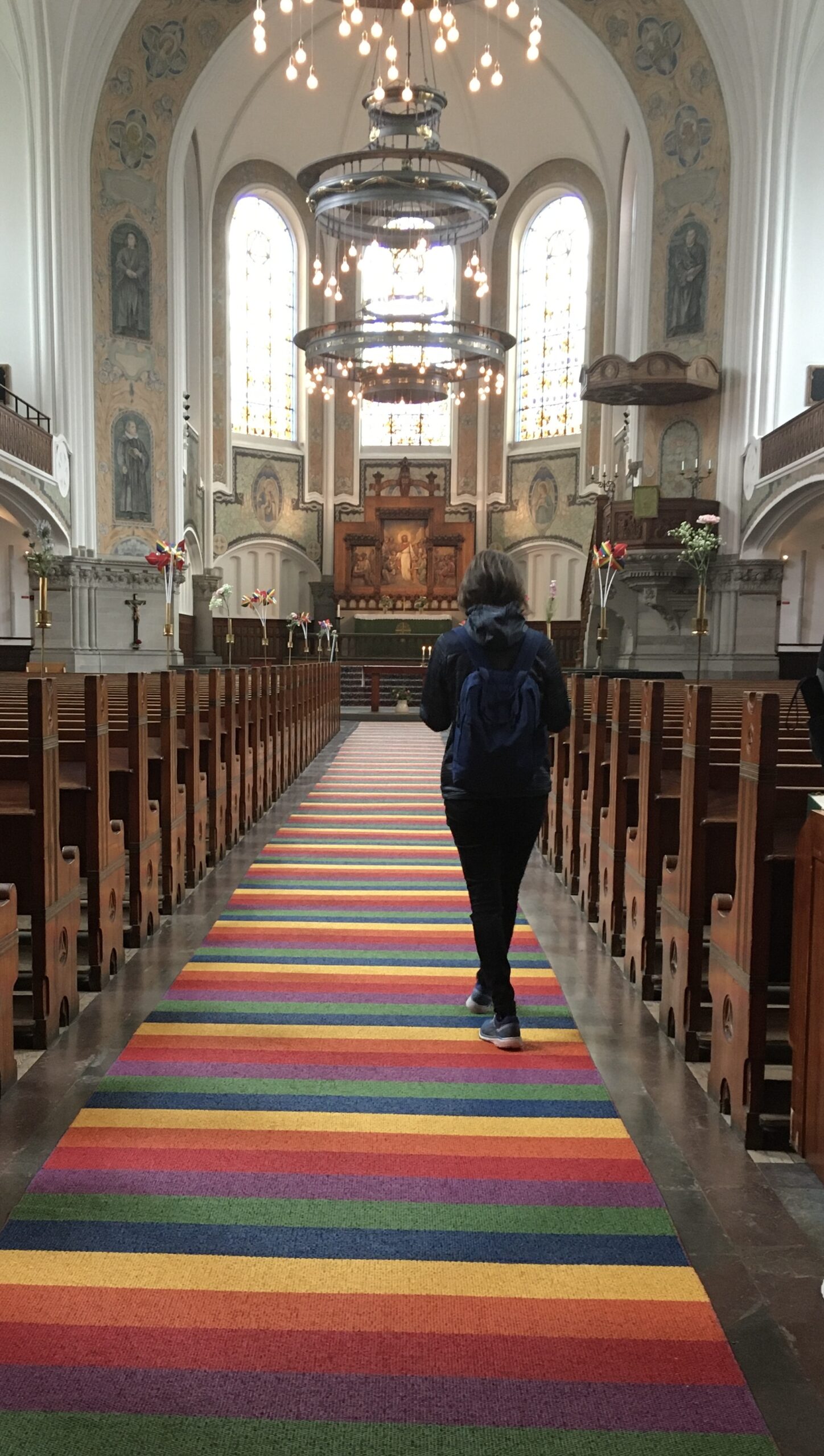
Although it’s hard to imagine in present-day Hungary – where Pride is banned under the guise of child protection and the Constitution declares that a person is either male or female – there are parts of the world where non-fundamentalist Christian communities have rethought their stance on LGBTQ+ people. Inclusive theologies, affirming congregations, and movements like Queer Theology demonstrate that it is possible to find new interpretations that do not deny but integrate LGBTQ+ perspectives into Christian faith – and not merely tolerate them, but actively seek ways to build a more complete and inclusive church.
Mariann Edgar Budde, Bishop of the Episcopal Church in Washington, is an excellent example of this:
In Hungary, too, there are communities and pastors who welcome LGBTQ+ believers, such as the Hungarian Evangelical Fellowship. There’s also the Mozaik Community, an ecumenical group that, while primarily Christian in perspective, is not affiliated with any specific church or denomination. They open their arms to everyone seeking God, regardless of gender or sexual orientation.
These new communities don’t want to be seen as “exceptions,” but as reminders: faith is no justification for hatred – and the path to God is not through conformity, but through love.
The message of Easter – hope after mourning, rising from darkness, the belief that love is stronger than death – is universal. Resurrection is not just Jesus’ story, but the story of anyone who longs for a new life. From a queer perspective, Easter can also be a celebration of redemption: laying down shame, embracing authenticity, and accepting oneself. It’s a reminder of what faith can offer on its own: inner peace, salvation, and a deeper relationship with God.
The question is not whether someone can be both queer and a believer – but how they can find their place in a religious tradition that has long excluded them.
Translation by Viki
