
I’ve been following women’s football for quite some time now; back in college, I used to watch the U.S. national team’s games, and my girlfriend at the time and I would discuss the team’s performance on Tumblr. Since I only just came out a little earlier, it meant a lot to me that some members of the soccer team were openly identifying as lesbians. That was the time when Megan Rapinoe became a household name, the time when the U.S. women’s national football team was practically unbeatable.
Then my life took a different turn, but I would still catch up with the news sometimes, and eventually I found my way back, and started following the updates again.
In 2022, England won the European Championship, and that was when I started to realize that women’s football was on the rise in Europe too. By the time Spain won the World Cup a year later, big-name players of the top teams have already overtaken my Insta feed. I should point out, though, that I don’t know any more about football than the average Hungarian fan; it’s just that I found what made me relate to this sport more easily.
Women’s football gradually started to dominate my feeds, and I let it happen; in fact, since I found out that some of my friends were also into it, I started actively looking for ways to watch matches.
Over time, I found the channels for which I would even subscribe to a VPN, just so I could watch my favourite teams. In European club football, Spanish teams—especially Barcelona— dominate, along with a few German, French, and English clubs; at the national level, the field is a bit broader, but there are significant differences in quality between the teams.
With that in mind, I had the 2025 European Championship on as background noise the whole time last summer, and I really enjoyed watching the England-Spain final with friends at a pub. Since the Hungarian women’s national team didn’t qualify, I decided to root for England, and although there were a few really narrowly-won matches, they were ultimately able to keep their European Championship title. After that, I knew I had to see this live. It was just the icing on the cake that in the autumn Disney bought the broadcasting rights to the Champions League, and finally I didn’t have to hunt for streaming links if I wanted to watch club football.
In September, I decided how to watch a women’s football game live: I gathered some friends to go with, and at the end of October we bought three plane tickets to London. We picked the Chelsea vs. Arsenal match in the Barclays Women’s Super League for a nice weekend in late January.
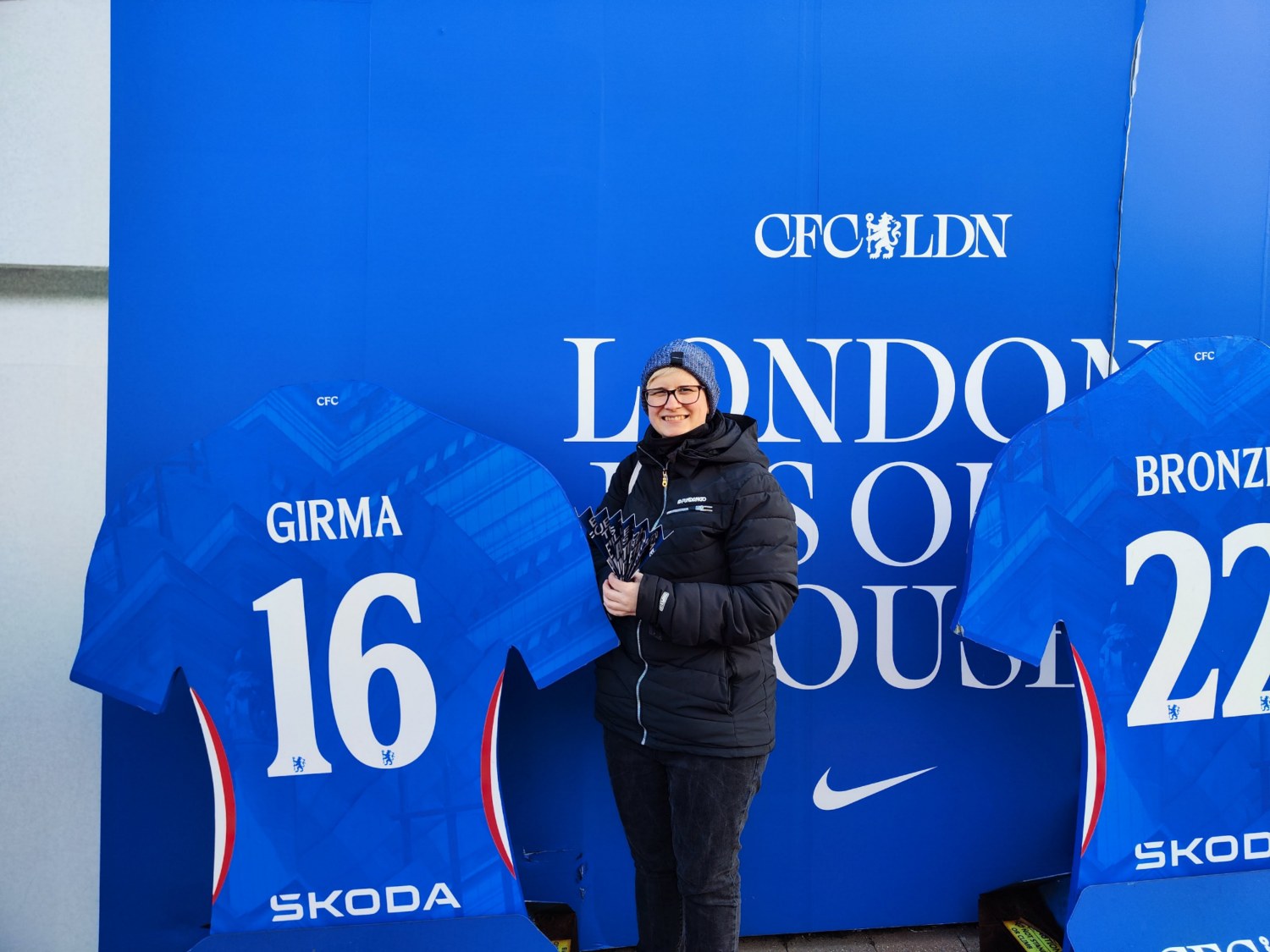
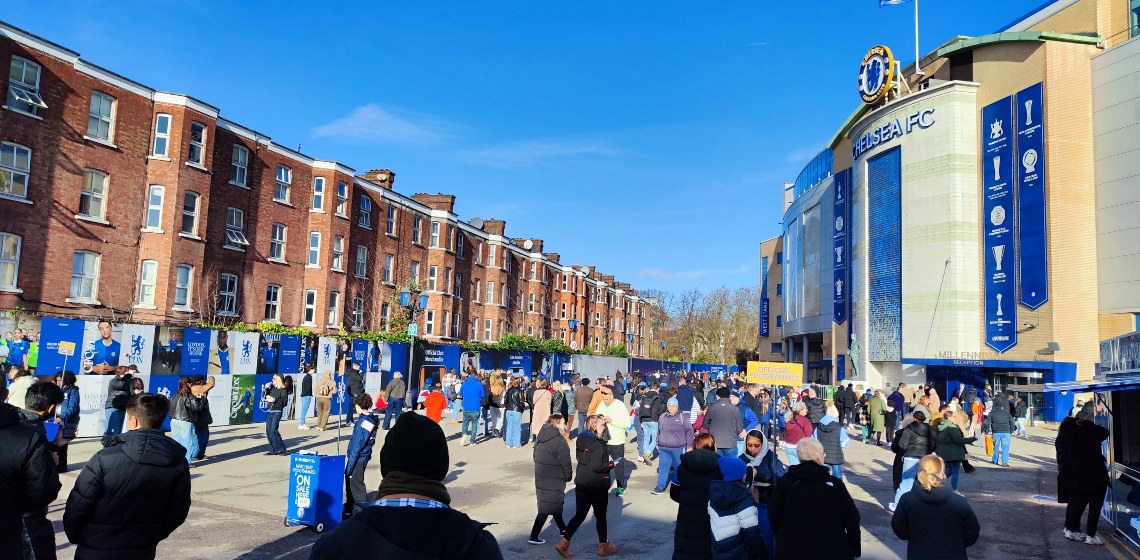
These two teams are the cream of European women’s football: Chelsea is a multiple-times cup winner, Arsenal is last year’s Champions League winner, and, of course, most of my favourite players are in these two clubs—but for us the most important thing was to see Lucy Bronze live on the field. After getting off the early morning flight, we headed straight to the stadium, where I had one of the greatest experiences of my life. Stamford Bridge hosted the big match, and although it wasn’t full, there were still more than twenty thousand of us watching the game. By London standards the tickets weren’t all that expensive; a seat in the seventh row cost 30 pounds. We arrived a little early, but at least we got to check out the snack bars, take pictures with the memorabilia on display, and when the game started, we squeezed into our seats. It was incredible to see the teams live. For minutes on end, all I could keep repeating was, “That’s Emily Fox,” and it was completely mind-boggling to me that I was seeing these people live on the field and not in a video on my Instagram feed.

Even though Chelsea lost, it didn’t take away from the fantastic fan experience I had. The well-organized entry, the service, the proximity to the game, the diversity of the other fans, the incredible number of people who were also there to cheer on these two women’s teams, and the amazing atmosphere during those two hours made the entire trip a truly magical experience. By the time our plane landed in Budapest, I was already planning out how I would watch more great women’s football live.
The World Cup qualifiers came at just the right time, but my plan—which involved the Hungarian women’s national team being grouped with, say, England—quickly fell apart due to the league structure. In the end, this didn’t dampen my spirits, though, because the experience abroad was so positive that I was certain I’d feel just as good at the women’s national team’s matches. In the draw at the beginning of the year, Hungary was grouped with Azerbaijan, North Macedonia, and Andorra, and they began playing these matches in March to give us a chance to qualify for the World Cup through the playoffs. The Hungarians hosted the Azerbaijani team on the 7th of March at the Pancho Arena; inspired by my experiences in January, I gathered some friends and bought four tickets to the match.
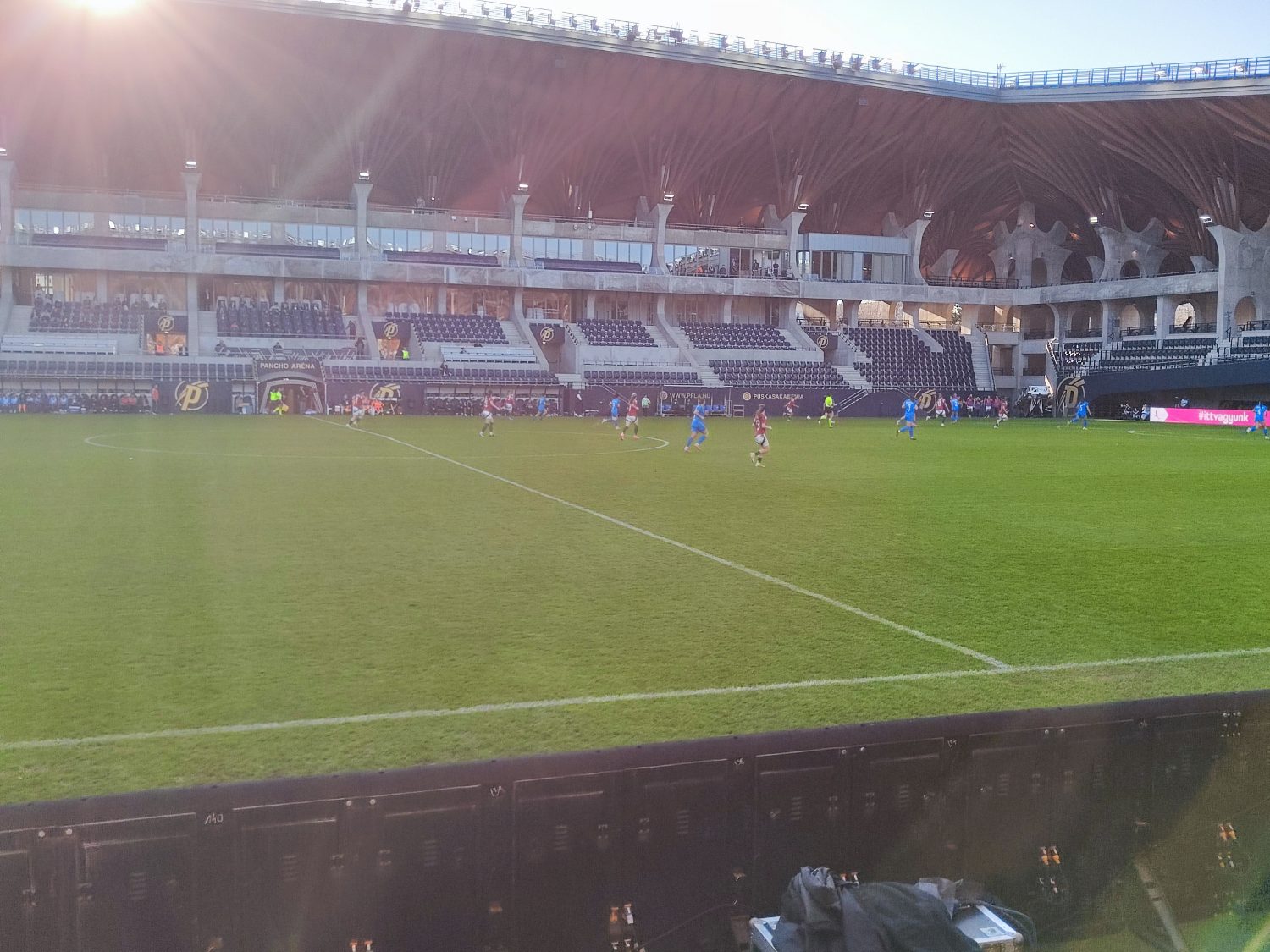
Since spring had arrived here as well, we spent the morning hiking nearby and arrived at the stadium entrance in basically just T-shirts. That’s where we got our first surprise: we weren’t allowed to bring practically anything into the stadium, not even our empty water bottles. I knew the quality of play wouldn’t be the same as in the London derby, but I figured that if we spent this time in a good atmosphere watching women’s football, that would be great all by itself. The match was surprisingly good; the Hungarian girls had more possession and even scored a goal, securing their three points. However, the atmosphere surrounding the match fell far short of that in London. Overall, it was a good experience, but we need to catch up to London’s fan culture, because until then, women’s football will struggle to gain popularity here at home.
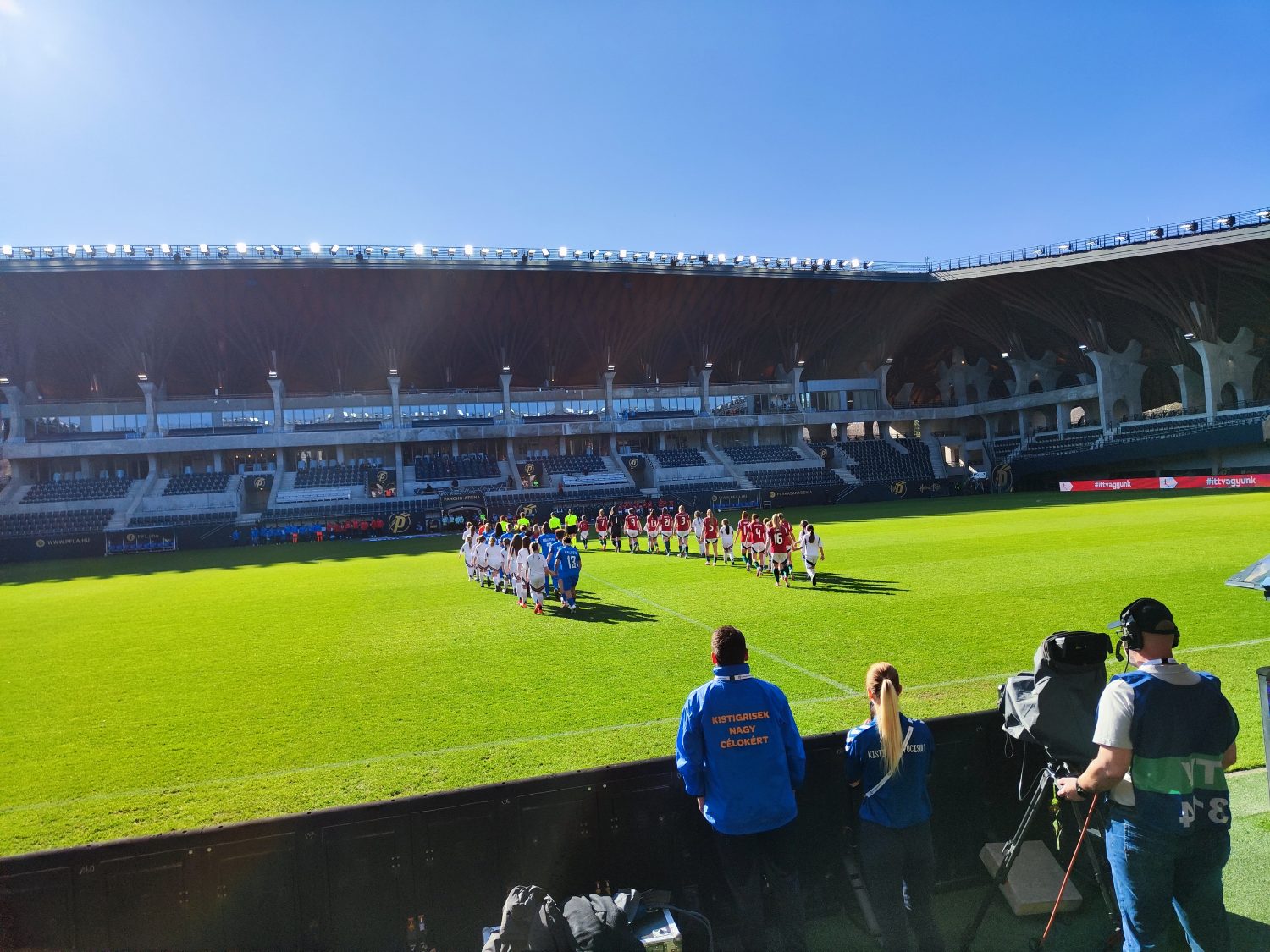
The lesson from these two matches is that supporting women’s football isn’t out of reach, and here at home, it doesn’t take much effort to go see a game. The World Cup qualifiers are currently underway, and there will be a few more national teams’ matches in April and May as well; you can easily find information about them on the UEFA website.
Translation by Zsófia Ziaja