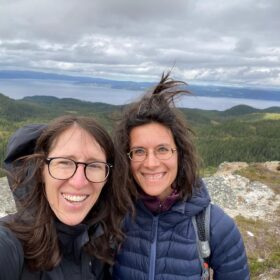
Wallet? Check. ID? Check. Cell phone? Check. Many of us have spent the summer holidays traveling and spending time with our loved ones. Join us on one more trip to get to know a rainbow family from the United States.
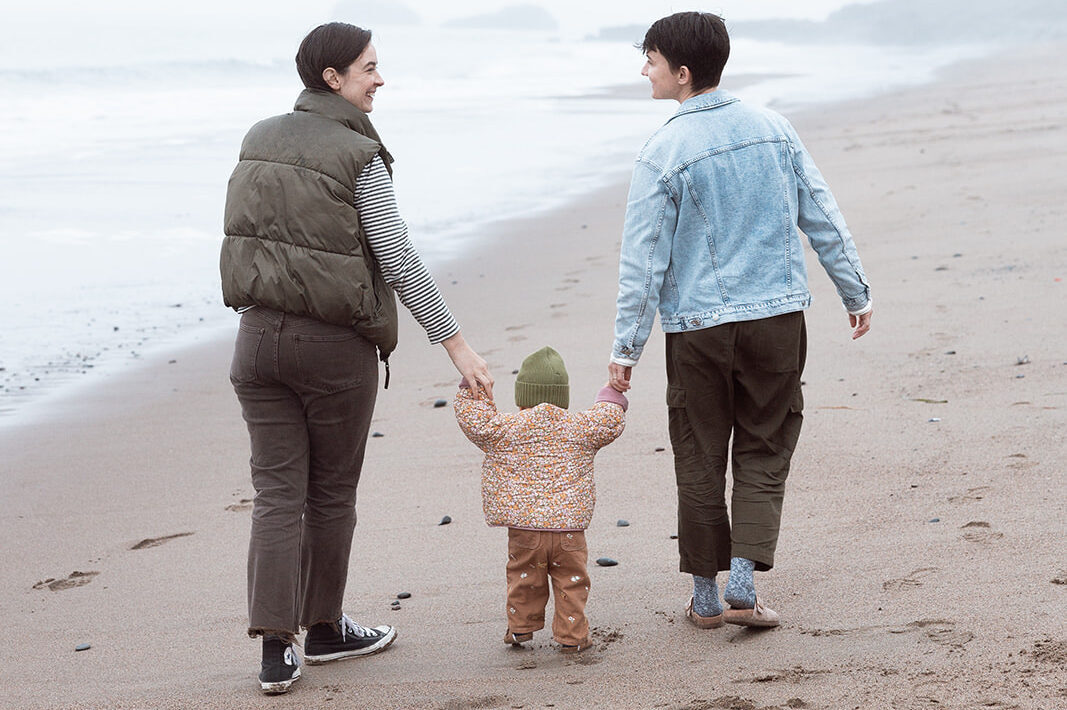
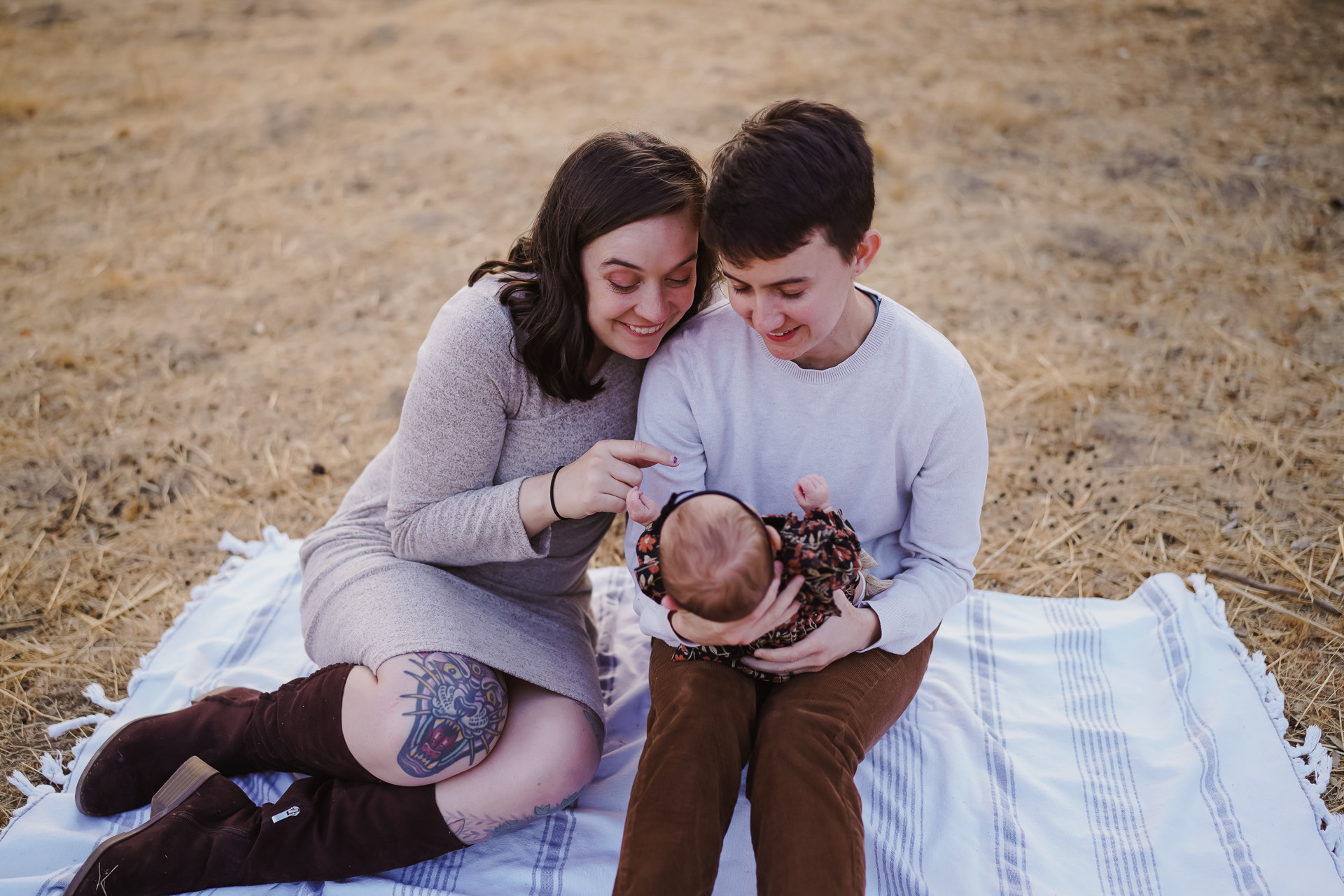
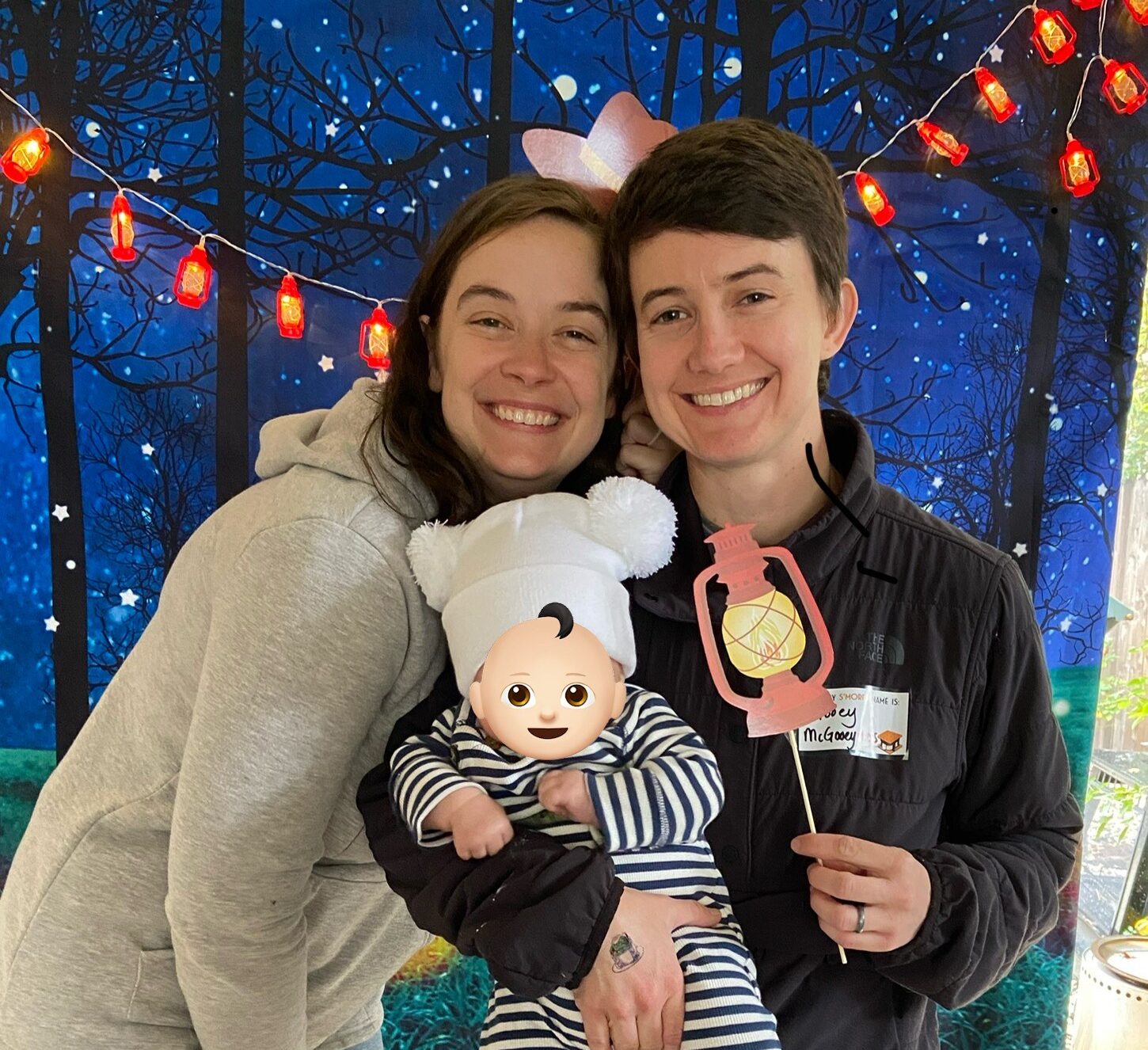
Ami and her wife Nicole are from Kansas City, Missouri and now live in San Jose, California, where they have been for the past 4 years, with their two-year-old daughter named June. We chatted with Ami about starting a rainbow family and what it is like for them in the United States.
Did you always know you wanted children?
Nicole and I were actually a little bit on the fence about having kids. Nicole always had jobs working with young kids, such as working at a daycare, and then after she became a nurse she has always worked with kids, too. Caring for children comes very naturally to her. I didn’t have as much experience with kids but found the idea of parenthood really fun and rewarding. When you reach a certain stage in life, it seems like there are kind of two paths to choose from where you can either have children or travel and do other adventures, and we felt like having children was the right path for us to take.
As a lesbian* couple, what options were available to have a child?
In California, we had pretty much any option that two women might consider for having a child. We could do artificial insemination via a clinic or at home, in vitro fertilization, surrogacy, or adoption. We could choose pretty much any sperm bank to obtain sperm from or we could have chosen a known donor if we had wanted to.
Which process did you choose and why?
We chose a sperm donor from a sperm bank and utilized a local fertility clinic. We did reciprocal IVF [in vitro fertilization] which means I (Ami) did an egg retrieval and they fertilized those eggs to create embryos, and then Nicole carried the pregnancy. We chose this because it is a cool way to have both moms be involved in a physical part of the conception process and it allowed me to do some of the physical labor by going through the egg retrieval, rather than Nicole having to do the egg retrieval and embryo transfer, pregnancy, labor, birth, etc. Nicole had always wanted to carry a pregnancy and I did not have the desire to, so this option made the most sense for us. We also did not have any fertility benefits through either of our jobs so we paid completely out of pocket and decided we might as well do IVF which has higher success rates than IUI [intrauterine insemination]. We have some LGBT friends who have fertility benefits through their jobs and were able to have some of their IVF or IUI cycles paid for by that, which is really cool.
Could you describe the process for our readers?
From first reaching out to the fertility clinic to getting pregnant was about one year. We did an egg retrieval in the spring and were lucky to get several healthy, viable embryos from that. It took us two cycles to become pregnant so that process took a few months. Since we paid out of pocket, we paid for the egg retrieval and each embryo transfer cycle. The total cost was around $40,000.
What rights do you and your partner have as parents? Do you have the same rights? Does the sperm donor have any rights?
We were told that because we did reciprocal IVF and the birthing mother was not genetically related to the baby, that we would both need to adopt the baby once she was born. Adoption is also helpful in validating both of our parental rights if we travel to another state that is not as friendly as California to LGBT people. We found a lawyer who specializes in working with LGBT people and we both adopted the baby within a few months after she was born. We are also both listed on the birth certificate. This means our rights as parents are very solid and we have equal rights. The sperm donor does not have any rights.
What is it like being a rainbow family in the community where you live?
We are very thankful to live in the San Francisco Bay Area, which is very diverse and friendly to LGBT people. People do not usually bat an eye when they see our family and they usually understand that we are a two-mom family and are not confused about it. People are generally respectful and kind to us. My wife and I are both out at work and open about our family and have not had any issues with this. We feel free to be ourselves. We have a large group of good friends who are also rainbow families and we are glad that our daughter will grow up with this being normal and she will not be the only kid around with two moms. In fact, we know more rainbow families than heterosexual families and we love that this is something we get to enjoy by living in an open and accepting place.
You mentioned that you are both from Kansas City, how did it feel to move to California? Did going to a different environment influence your decision to have children?
Yes, the location of where we live has definitely impacted us regarding children. Specifically, we know we would not return to live in Kansas City or anywhere in any ’red state’ now that we have a child because we would not have adequate protections for our family there. We actually adopted our daughter because we were told that we did not necessarily need to if we were to only ever stay in California, but if we were to go to other states that are more discriminatory against LGBTQ people, even just to visit, our parental rights could be at risk. The United States is moving more towards individual states having different laws and standards for these things so it is more important than ever to live in an LGBTQ-friendly state because there is not much in the way of federal protection of rights any more. We would not want to live in a state where we knew our family was not viewed the same as others in the eyes of the law and where there are simply more people in the community who would judge or be disrespectful towards our family or our daughter. We still worry about how she may potentially be treated by others for having two moms, but we would worry about this a lot more if we lived in a conservative area and we feel very relieved to live in a place where the majority of the community, and the laws of our state, treat our family equally.